Featured
Finding Relief Through Strategic Credit Management in Your State
Table of Contents
Navigating Credit Challenges in Tulsa Credit Card Debt Consolidation
Economic shifts in 2026 have actually changed how families manage their regular monthly obligations. With rates of interest holding at levels that challenge even disciplined savers, the traditional approaches of remaining afloat are proving less effective. Numerous citizens in Tulsa Credit Card Debt Consolidation are taking a look at their monetary declarations and seeing a bigger part of their payments going towards interest instead of the primary balance. This shift has actually resulted in a restored interest in structured financial obligation management programs provided by nonprofit companies.
The primary obstacle in 2026 remains the cost of unsecured credit. Charge card companies have actually adjusted their danger models, often leading to higher annual percentage rates for customers who bring balances from month to month. For those residing in your local area, these expenses can quickly outmatch wage development, producing a cycle where the total balance remains stagnant regardless of routine payments. Professionals concentrating on Interest Reduction suggest that intervention is most effective when initiated before missed payments start to harm credit history.
Comparing Consolidation Loans and Management Programs in 2026
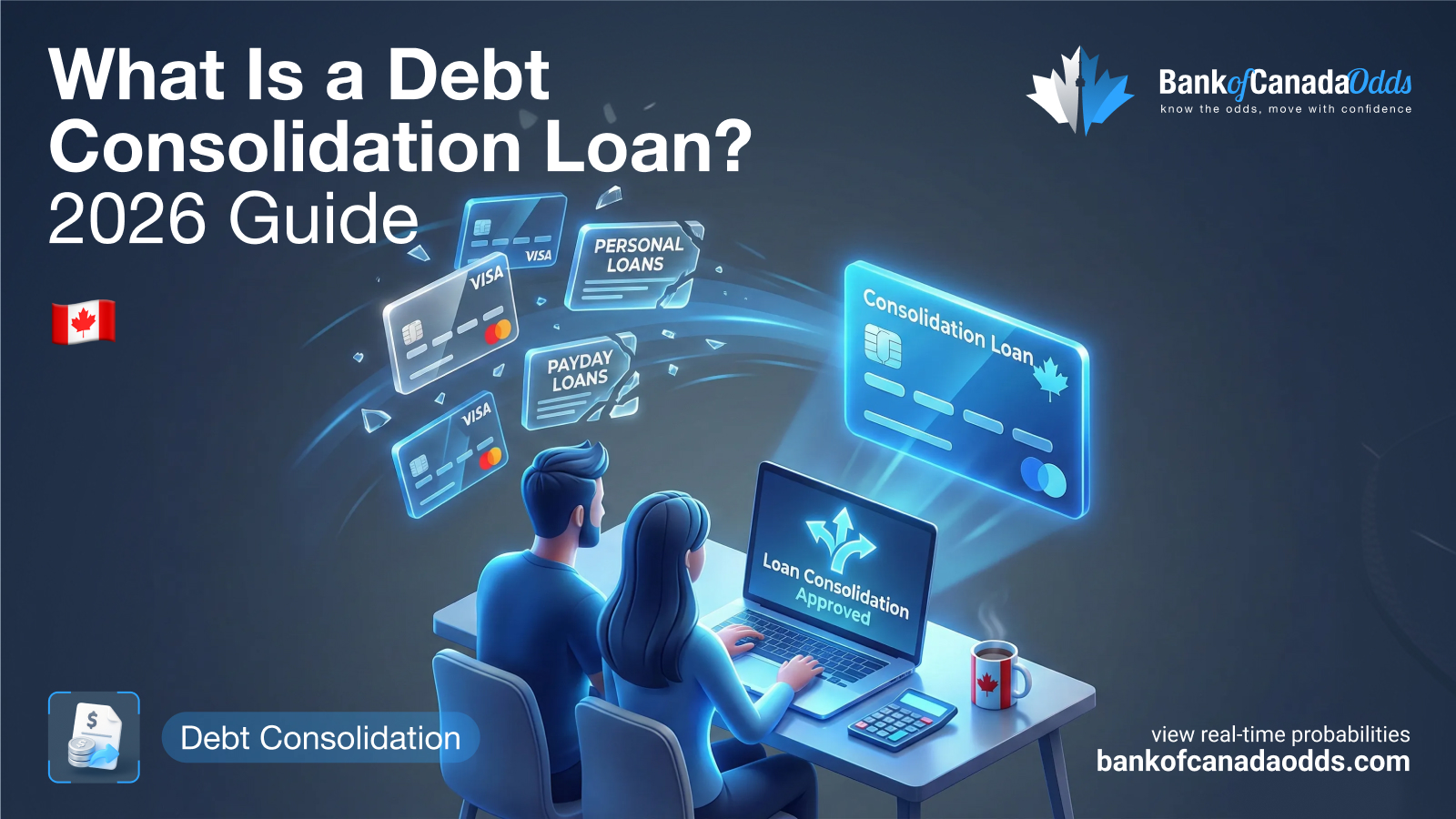
Financial techniques in 2026 frequently include choosing between two unique paths: debt combination loans and debt management strategies. A debt consolidation loan includes getting a brand-new, big loan to settle multiple smaller sized financial obligations. This method depends greatly on an individual's credit report and the accessibility of beneficial terms from private loan providers. In the present market, however, securing a low-interest personal loan has become significantly difficult for those who are currently carrying significant financial obligation loads.
Strategic Interest Reduction Plans offers a structured alternative to high-interest loans by working within the existing financial institution relationships. Unlike a loan, a debt management plan does not involve borrowing more cash. Rather, it is a negotiated arrangement assisted in by a not-for-profit credit counseling company. These firms work with lenders to lower interest rates and waive certain charges, allowing the consumer to settle the full principal over a set duration, typically 3 to five years. For many in the surrounding area, this approach offers a clear timeline for reaching zero balance without the need for a brand-new credit line.
The difference is considerable for long-lasting monetary health. While a loan merely moves financial obligation from one location to another, a management plan concentrates on organized payment and behavioral modification. Counseling sessions connected with these programs frequently include spending plan reviews that assist participants recognize where their cash goes every month. This educational component is a hallmark of the 501(c)(3) nonprofit design, which focuses on customer stability over profit margins.
The Mechanics of Rate Of Interest Settlement in your local area
Among the most reliable tools readily available to consumers in 2026 is the ability of credit counseling agencies to work out straight with significant banks and card companies. These settlements are not about settling for less than what is owed-- a process that typically damages credit-- however about making the payment terms workable. By decreasing a 24 percent rate of interest to 8 or 10 percent, a program can shave years off the repayment period and save the consumer thousands of dollars.
Individuals frequently try to find Interest Reduction in Tulsa when handling multiple creditor accounts becomes a logistical problem. A management plan simplifies this by combining several monthly costs into a single payment. The nonprofit firm then distributes that payment to the numerous financial institutions according to the negotiated terms. This structure minimizes the probability of late charges and ensures that every account remains in excellent standing. In Tulsa Credit Card Debt Consolidation, this simplification is frequently the primary step towards gaining back control over a household budget plan.
Creditors are typically prepared to take part in these programs since they choose receiving routine, complete payments over the risk of an account entering into default or bankruptcy. By 2026, many banks have structured their cooperation with Department of Justice-approved firms to facilitate these strategies more effectively. This cooperation benefits the consumer through lowered tension and a predictable path forward.
Strategic Debt Payment in across the country
Housing and credit are deeply connected in 2026. Many households in various regions find that their ability to certify for a home loan or maintain their existing home depends upon their debt-to-income ratio. High credit card balances can inflate this ratio, making it difficult to gain access to favorable housing terms. Not-for-profit firms that supply HUD-approved real estate counseling typically incorporate debt management as part of a larger technique to stabilize a family's living scenario.
The impact on credit rating is another aspect to think about. While a debt management plan requires closing the accounts included in the program, the consistent on-time payments generally help restore a credit profile in time. Unlike debt settlement, which includes stopping payments and letting accounts go to collections, a management strategy reveals a commitment to honoring the original financial obligation. In the eyes of future lending institutions, this distinction is important.
- Decreased interest rates on credit card accounts.
- Waived late charges and over-limit charges.
- Single monthly payment for several unsecured debts.
- Professional guidance from certified credit therapists.
- Education on budgeting and monetary literacy.
As 2026 advances, the role of monetary literacy has actually moved from a luxury to a need. Comprehending the distinction between protected and unsecured debt, the impact of intensifying interest, and the legal protections available to consumers is crucial. Nonprofit agencies work as a resource for this details, using services that surpass simple debt payment. They offer the tools needed to avoid future cycles of financial obligation by mentor individuals how to build emergency funds and handle money flow without depending on high-interest credit.
Long-Term Stability Through Structured Preparation
The choice to get in a financial obligation management program is typically a turning point for families in Tulsa Credit Card Debt Consolidation. It marks a shift from reactive spending to proactive preparation. While the program needs discipline-- specifically the dedication to stop using charge card while the plan is active-- the outcome is a debt-free status that provides a structure for future saving and financial investment.
Financial advisors in 2026 emphasize that there is no one-size-fits-all option, but for those with substantial unsecured debt and a stable income, the structured method of a not-for-profit strategy is often the most sustainable option. It avoids the high costs of for-profit settlement companies and the long-lasting credit damage of insolvency. Rather, it provides a middle path that stabilizes the needs of the customer with the requirements of the financial institution.
Success in these programs depends upon openness and consistent communication with the therapist. By examining the spending plan quarterly and making adjustments as living expenses change in your region, individuals can remain on track even when unforeseen costs occur. The goal is not simply to settle what is owed, but to leave the program with a various perspective on how to utilize credit in a way that supports, rather than prevents, monetary development.
Eventually, the role of financial obligation management in a 2026 monetary technique is to supply a clear exit from high-interest commitments. By concentrating on primary reduction and interest settlement, these plans allow homeowners in Tulsa Credit Card Debt Consolidation to reclaim their income and focus on their long-term objectives. Whether the goal is purchasing a home, conserving for retirement, or merely minimizing everyday tension, a structured payment strategy provides the structure necessary to accomplish those ends.

Latest Posts
Housing and Credit Counseling for Families in 2026

Essential Financial Counseling Standards for 2026
Preventing Aggressive Creditor Collector Harassment in 2026